



+86 20 8269 2588



2026-08-31
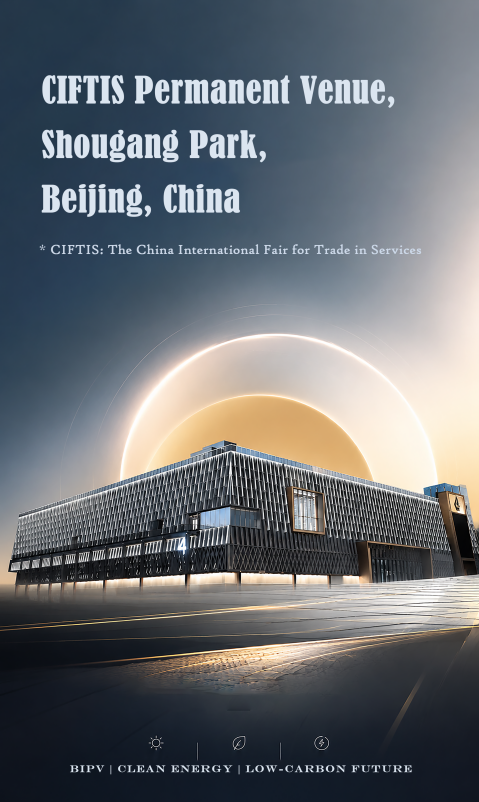
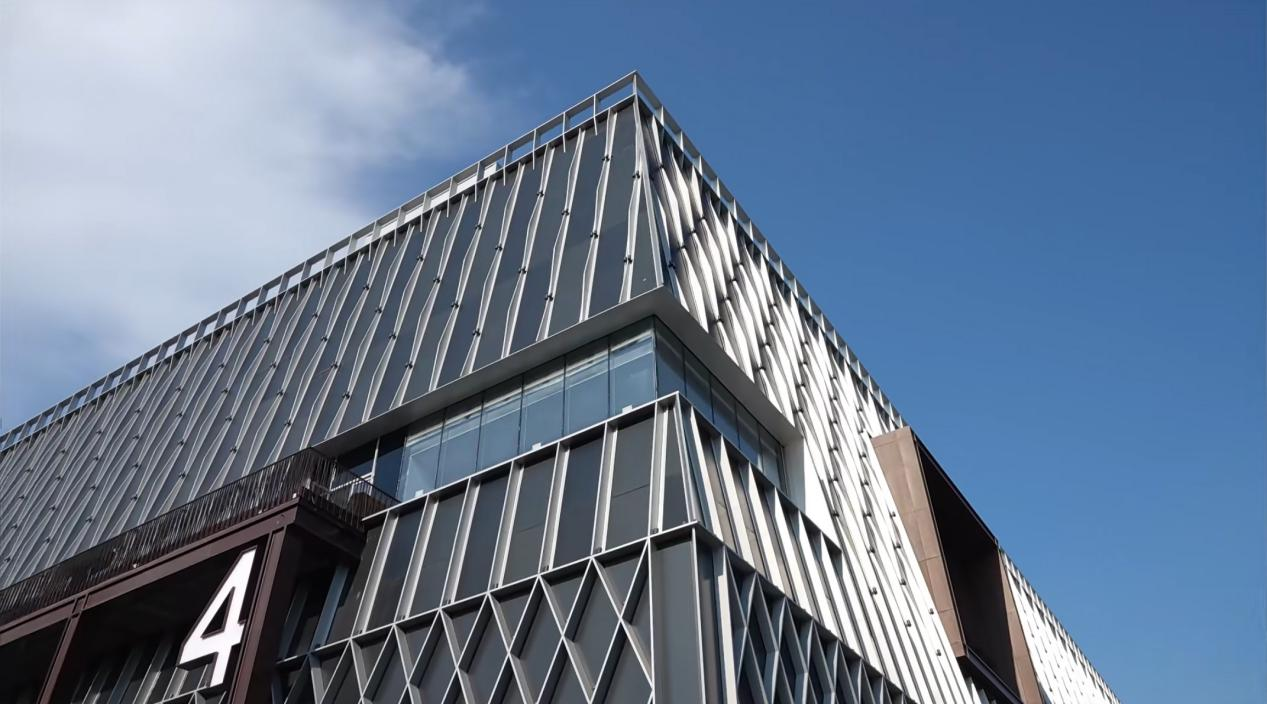
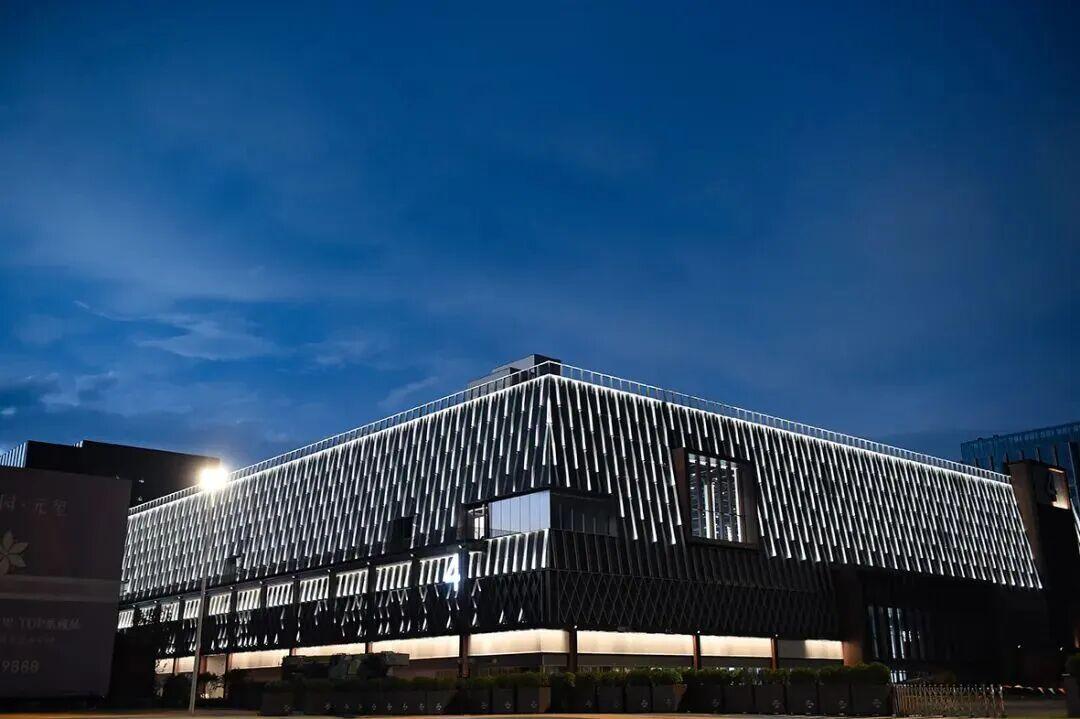
Recently, the Shougang International Exhibition & Convention Center in Beijing, China, officially completed the delivery of its permanent host site for the China International Fair for Trade in Services (CIFTIS). As a key part of the venue, Hall 4 has made a stunning debut with a new “green façade” powered by Jangho Photovoltaic’s building-integrated photovoltaic (BIPV) technology.
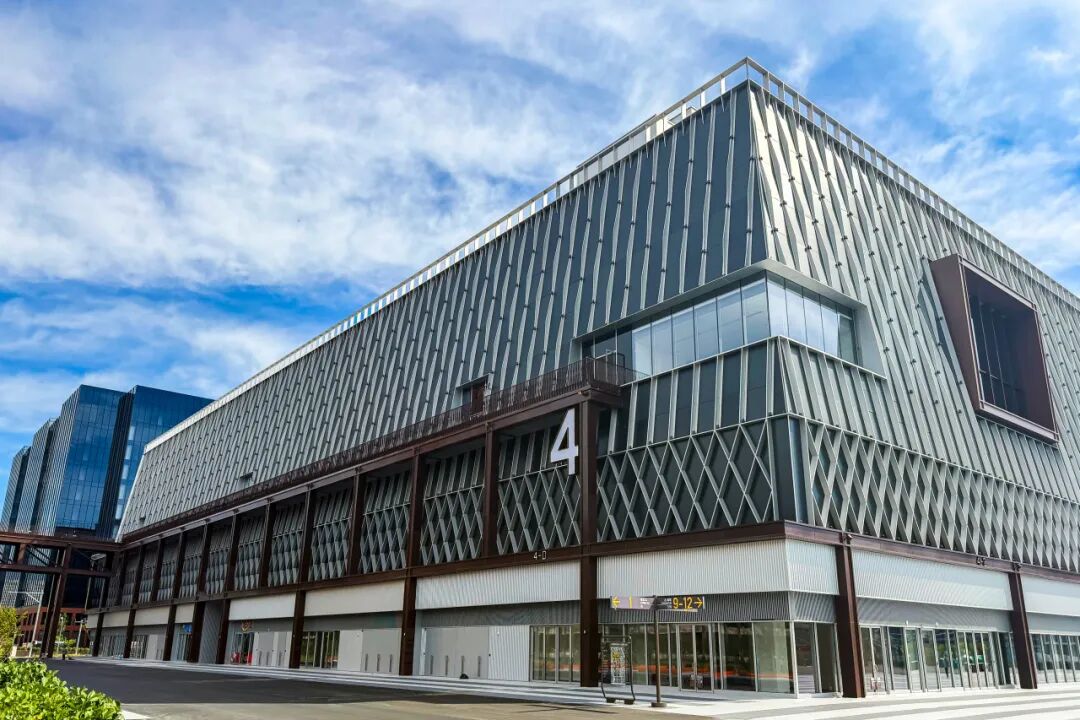
Covering two southwest-facing façades of Hall 4, the 3,425-square-meter photovoltaic curtain wall quietly captures solar energy. With a total installed capacity of 325 kW, the system is expected to generate approximately 210,000 kWh of clean electricity annually, reducing more than 170 tons of carbon emissions and saving around 63 tons of standard coal consumption each year. It demonstrates the transformation of a large-scale public building from an energy consumer into a “mini power plant.”
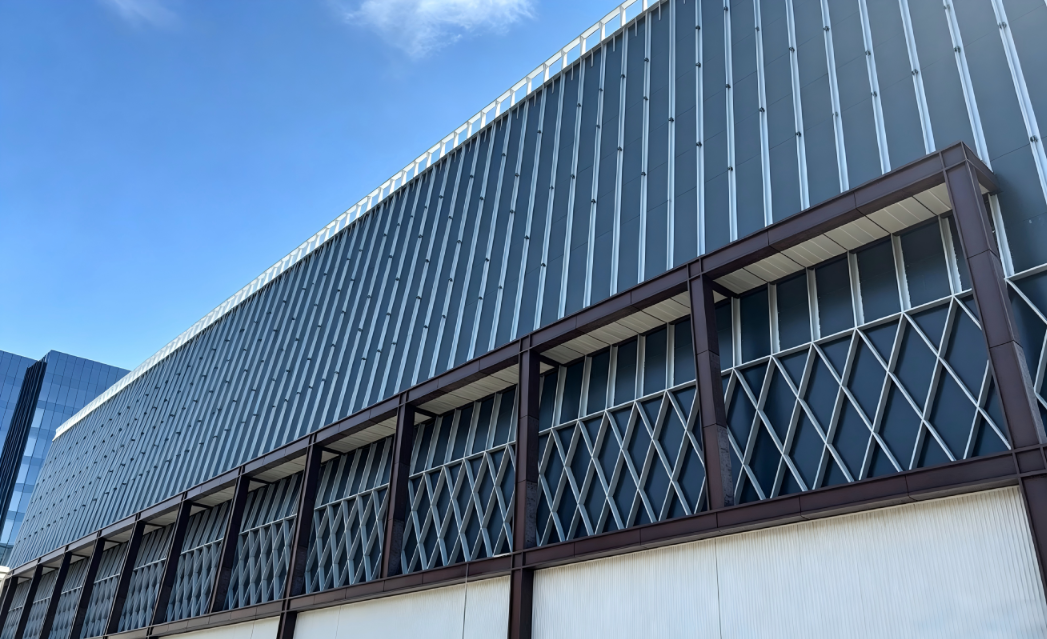
Jangho Photovoltaic transforms the building façade into a green energy carrier. Rather than being installed as an afterthought, the photovoltaic system was designed and constructed simultaneously with the building structure, serving both as an architectural envelope and a power generation facility. Without requiring additional land or supporting structures, the system is directly integrated into the building as a functional construction material, achieving deep integration between renewable energy generation and architectural design. With zero fuel consumption, zero exhaust emissions, and zero noise pollution during operation, it provides a replicable solution for the low-carbon transformation of urban public buildings.
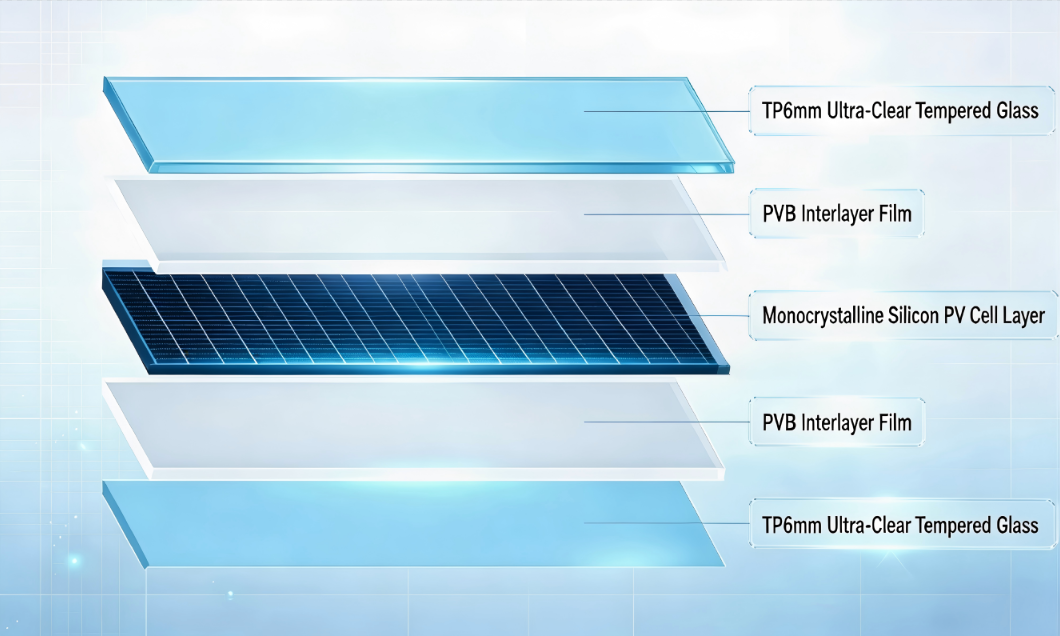
As an integral part of the building façade, the photovoltaic curtain wall must meet stringent requirements for safety, weather resistance, and aesthetics. The project adopts customized monocrystalline silicon photovoltaic glass, composed of ultra-clear tempered glass, a PVB interlayer, and photovoltaic cell layers. The composite structure provides excellent impact resistance, shatter protection, and structural stability, ensuring reliable performance under long-term exposure to temperature variations, wind, rain, and sunlight. Its conversion efficiency, operational stability, and degradation performance outperform conventional modules, making it highly suitable for long-term outdoor applications in public buildings.
In terms of aesthetics, an innovative aluminum-panel-inspired ceramic frit process creates two matte finishes in dark gray and medium gray. Through a balanced and staggered arrangement, the photovoltaic modules blend seamlessly with the building’s steel. The electrical system adopts an integrated and concealed design with centralized wiring and zoned management, achieving a harmonious balance between industrial aesthetics and modern architectural quality.
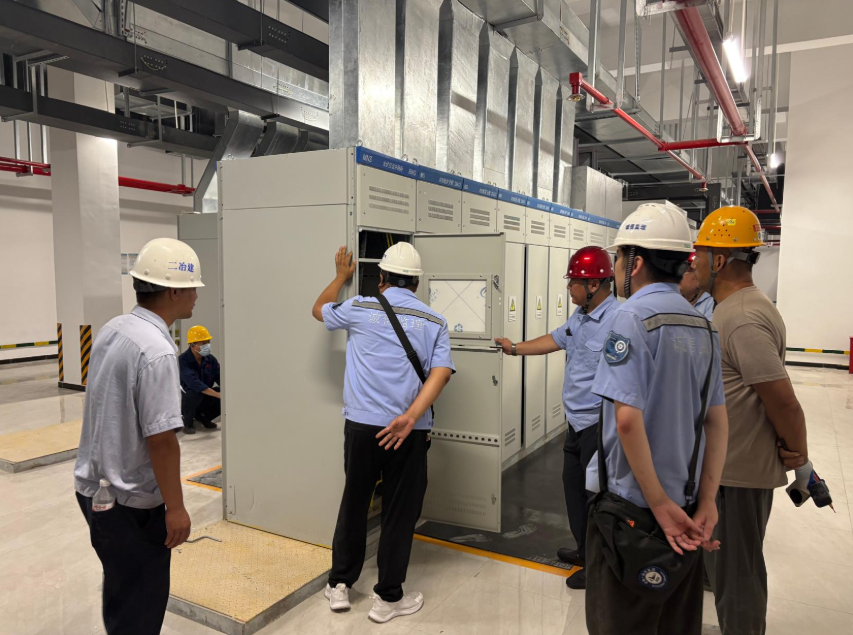
During the daytime, the green electricity generated by this photovoltaic façade is prioritized for the venue’s lighting, air-conditioning, and exhibition facilities. Any surplus electricity is automatically fed into the public grid, contributing clean energy back to the city. Through the “self-generation for self-consumption, surplus electricity fed into the grid” model, the project establishes a closed-loop energy system integrating power generation, energy utilization, and energy sharing. Supported by an intelligent monitoring and operation platform, facility managers can track energy performance in real time and maximize the value of every kilowatt-hour generated.
Looking ahead, Jangho Photovoltaic will continue exploring new frontiers in the integration of architecture and renewable energy, accelerating the green transformation of urban spaces and enabling more low-carbon buildings worldwide.
Productos relacionados

Muro cortina unificado JH-U (estructura expuesta)
Tipo de producto: Muro cortina unificado JH-U (estructura expuesta)
Ancho del parteluz: 65/80/100 milímetros
Espesor del vidrio: 6-54mm
Rendimiento térmico:Para el modelo JH-U80, el ancho de la unidad es de 1800 mm, la altura de la unidad es de 4400 mm y la altura entre pisos es de 1100 mm.
La transmitancia térmica del vidrio (Ug) es de 0,8 W/(m²·K), correspondiente a la transmitancia térmica del sistema (Uw) de 1,3 W/(m²·K).
Rendimiento de permeabilidad al aire: EN 12152/12153, Clase A4; Cumple con ASTM E283; GB/T 15227, Clase 4
Rendimiento de estanqueidad estática: BS EN 12154/12155, RE 1000; Cumple con ASTM E331, 1000 Pa
Rendimiento dinámico de estanqueidad: BS EN 13050, 500 Pa/1500 Pa; AAMA 501.5, compatible; GB/T 15227, Clase 5

Muro cortina unificado JH-U (estructura expuesta - alto rendimiento térmico)
Tipo de producto: Muro cortina unificado JH-U (estructura expuesta - alto rendimiento térmico)
Ancho del parteluz: 80/100mm
Espesor del vidrio: 30-70mm
Rendimiento térmico:Para el modelo JH-U80, el ancho de la unidad es de 1800 mm, la altura de la unidad es de 4400 mm y la altura entre pisos es de 1100 mm. La transmitancia térmica del vidrio (Ug) es de 0,7 W/(m²·K), correspondiente a la transmitancia térmica del sistema (Uw) de 1,0 W/(m²·K).
Rendimiento de la permeabilidad al aire: EN 12152/12153, Clase A4; Cumple con ASTM E283; GB/T 15227, Clase 4
Rendimiento de estanqueidad estática: BS EN 12154/12155, RE 1000; Cumple con ASTM E331, 1000 Pa
Rendimiento dinámico de estanqueidad: BS EN 13050, 500 Pa/1500 Pa; AAMA 501.5, compatible; GB/T 15227, Clase 5

